
Headache after shooting: causes and how to prevent it

A headache after shooting usually comes from a mix of noise, range air, muscle tension and plain dehydration. Most are harmless and easy to prevent. A few are a warning, because carbon monoxide and lead both list headache among their symptoms. Here is how to tell the causes apart and what to change before your next session.
Key takeaways
- The usual causes are noise, a tense neck, jaw and eyes, ear muffs pressing on your glasses, recoil, and not drinking enough.
- Indoor range air can contain carbon monoxide. A headache that comes with dizziness or nausea and eases outdoors means leave the range and tell the staff.
- Headache is a listed symptom of lead exposure, mostly at high levels. If you shoot often and get regular headaches with tiredness or stomach trouble, ask your doctor for a blood lead test.
- What helps: plugs and muffs together, a well-ventilated or outdoor range, a filtering mask, breaks in fresh air, water, and a relaxed grip and posture.
Why you get a headache after shooting
There is rarely a single cause. Work through the list below and see which ones match your sessions.
Noise and muzzle blast
Peak sound levels from firearms run from about 140 to 175 dB, and an indoor range reflects every shot off the walls, including your neighbors' shots. For people who get migraines, loud noise is a common trigger. For everyone else, an hour of bracing against repeated blasts is tiring in itself. Short barrels, muzzle brakes and magnum loads make it worse, and so does standing next to someone shooting them.
NIOSH recommends wearing earplugs and earmuffs together at firing ranges. If your ears ring or sound seems muffled afterward, your protection was not enough.
Range air: carbon monoxide and powder gases
Burning powder produces carbon monoxide and nitrogen oxides along with smoke. NIOSH evaluations of indoor ranges have flagged carbon monoxide as a concern where ventilation is poor. The CDC lists the most common symptoms of carbon monoxide poisoning as headache, dizziness, weakness, upset stomach, vomiting, chest pain and confusion.
Suspect the air if the headache builds while you shoot indoors, comes with dizziness or nausea, affects other people on the line too, and eases once you are outside. Leave the range, get fresh air and tell the staff. Get medical help if you feel confused, faint or have chest pain, or if the symptoms do not clear.
Smoke also irritates the nose, sinuses and eyes, which can leave a dull ache behind the forehead after a long session.
Lead
Most primers contain lead, and every shot releases fine lead particles. NIOSH lists headache, exhaustion, irritability and weakness among the symptoms of high short-term lead exposure. OSHA notes that symptoms such as headache, fatigue and sleep disturbance generally begin at blood lead levels above 40 µg/dL, which is far above what most recreational shooters reach.
So one headache after the range is not a sign of lead poisoning. Lead is worth checking when there is a pattern: you shoot often, mostly indoors, and you have frequent headaches together with tiredness, irritability, stomach pain or constipation. Many adults with elevated lead feel nothing at all, so the only way to know is a blood test. See our guides to lead poisoning symptoms and blood lead testing for shooters.
Tension in the neck, jaw and eyes
Tension headaches happen when the muscles of the neck and scalp tighten. The US National Library of Medicine lists jaw clenching, eye strain, fatigue and holding the head in one position for a long time among the triggers. Shooting combines all four: the head craned toward the sights, shoulders shrugged up, the jaw set against the next shot, and the eyes locked on a front sight or a dot.
Glasses that are not corrected for the distance of your sights add to the eye strain.
Ear muffs, glasses and hats
Muffs clamp the arms of your shooting glasses against the sides of your head. After an hour that pressure alone can cause a headache, which fades soon after you take the gear off. A tight cap or a headband under the muffs does the same.
Recoil and the "shotgun headache"
A long string of heavy loads can leave you with a sore neck and a headache, especially with a shotgun that does not fit. If the stock is too low, too high or too short, the comb slaps your cheek and each shot jolts your head. Clay shooters who fire a hundred shells or more in an afternoon know the feeling.
Water, heat, caffeine and food
Ranges can be warm and stuffy, and sessions run long. It is easy to go two hours without a drink. Missing a meal and having more or less caffeine than usual are also ordinary headache triggers. They are easy to overlook because the range gets the blame.
How to prevent a headache at the range
- Double up on hearing protection. Foam plugs under muffs, every time you shoot indoors.
- Choose your air. Pick a range with good ventilation, avoid the busiest hours, shoot outdoors when you can, and step outside for a few minutes every half hour.
- Wear a filtering mask indoors. It cuts the particles you breathe, and an activated carbon layer reduces powder gases and smell. No mask removes carbon monoxide, so the fresh-air breaks still count. Our shooting range mask guide covers the choices.
- Drink and eat. Water before and during the session, and food beforehand.
- Loosen up. Bring the sights up to your eye instead of dropping your head to them. Drop your shoulders, unclench your jaw and breathe out before each string. Look at something far away between strings.
- Fix the gear. Use glasses with thin, flat arms or gel muff cushions. Have a shotgun fitted, add a recoil pad or move to lighter loads.
- Wash up. Hands and face before you eat, drink or drive. The full routine is in our decontamination guide.
When a headache is a warning
- Get emergency help for a sudden, severe headache, or a headache with confusion, fainting, chest pain, repeated vomiting, or trouble with speech, vision or movement.
- Suspect carbon monoxide if a headache at an indoor range comes with dizziness or nausea. Get to fresh air and get checked if it does not pass quickly.
- See your doctor if you shoot regularly and headaches keep coming back, particularly with tiredness, irritability or stomach trouble. Ask for a blood lead test.
- See an audiologist if ringing or muffled hearing lasts beyond the day.
This article is general information, not medical advice.
FAQ
Why do I get a headache after shooting guns indoors but not outdoors?
Indoors the noise is reflected back at you and the smoke stays in the lane, so both the sound and the air are worse. If the pattern is clear, try a different range or a quieter time of day, add a second layer of hearing protection, and wear a filtering mask.
Why does shooting a shotgun give me a headache?
Usually recoil and fit. A stock that does not fit sends the recoil into your cheek and neck. Have the fit checked, mount the gun firmly into the shoulder, and try lighter loads or fewer shells per session.
Is a headache after the shooting range a sign of lead poisoning?
Not on its own. Headache is a symptom of high lead exposure, but noise, tension and dehydration are far more likely causes of a same-day headache. Regular shooters should still have a blood lead test from time to time, because elevated lead often causes no symptoms.
Can a mask prevent headaches at the range?
It can help with the part caused by smoke, particles and smell. It will not help with noise, tension or dehydration, and it does not filter carbon monoxide.
If range air is part of your problem, a reusable filtering mask is one thing to try.
Sources
- CDC: Carbon monoxide poisoning basics
- NIOSH: Symptoms of lead exposure
- OSHA: Lead health effects
- NIOSH Alert: Preventing occupational exposures to lead and noise at indoor firing ranges
- Meinke et al., Seminars in Hearing (2017): Prevention of noise-induced hearing loss from recreational firearms
- MedlinePlus (US National Library of Medicine): Tension headache
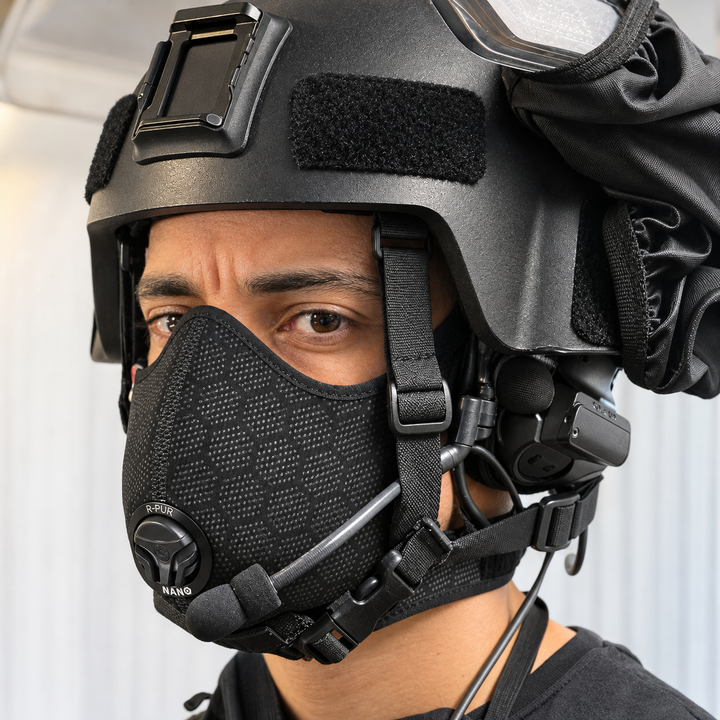
NANO® Range Mask
The shooting mask that filters particles down to 50 nanometers.
From $179 $199
This article is general information for shooters, not medical advice. If you think you have been exposed to lead, talk to your doctor.
Keep reading


Built for the firing line
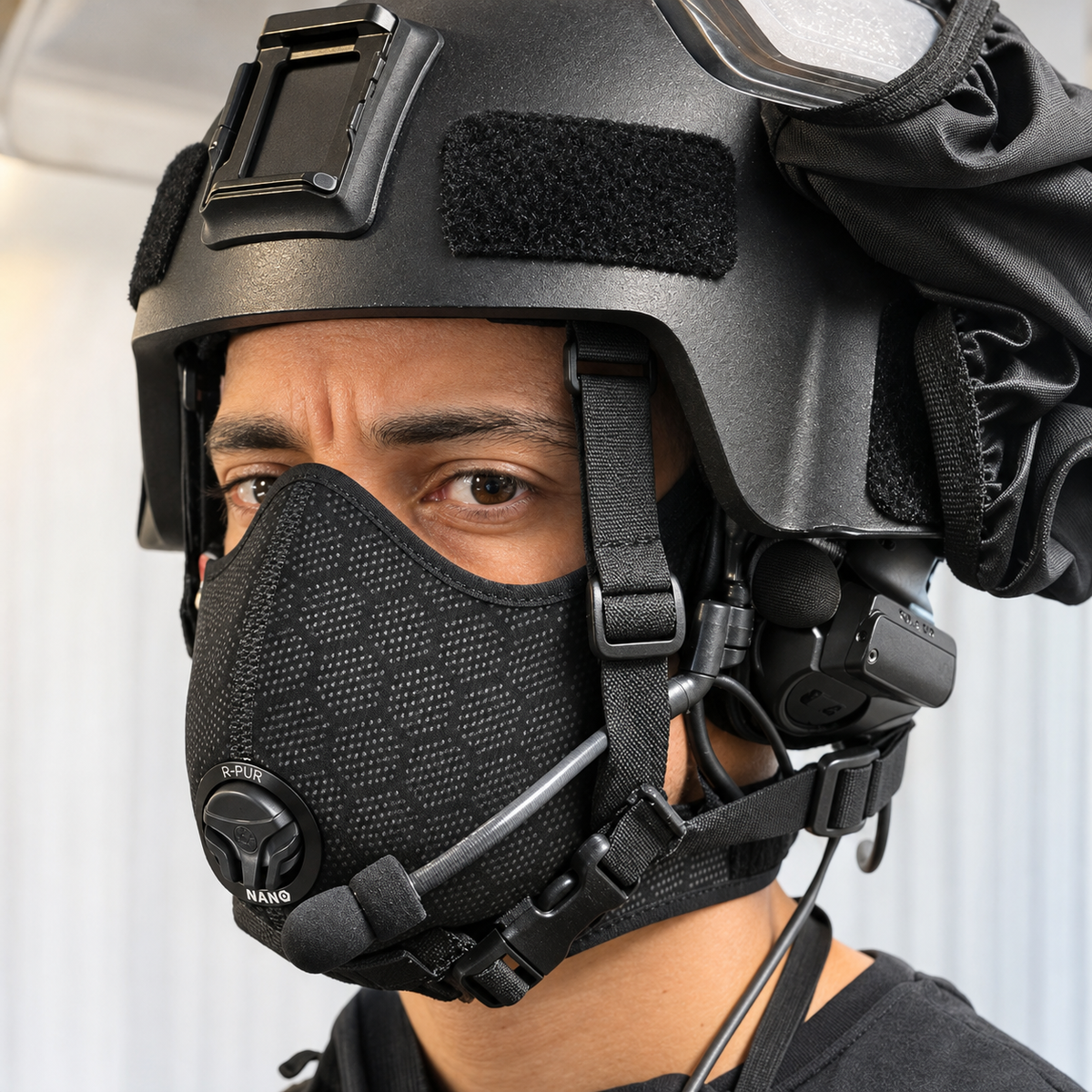
NANO® Range Mask
Filters particles down to 50 nanometers, with an activated carbon layer for gunpowder gases and replaceable filters.
From $179 $199
