
Allergy mask guide: how to choose the right one

Respiratory allergies are gaining ground every year, especially during the seasons when pollen and pollution compete for first place among our invisible enemies. For many people, wearing a protective mask changes how they relate to the outdoors. Against repeated sneezing, allergic asthma, or irritation, these accessories have become an essential ally, whether you live in the city or in the country.
What is an allergy mask for?
Breathing freely despite allergens is the main goal of an allergy mask. By covering the mouth and nose, it blocks most of the particles that can trigger sneezing, itching, or skin reactions. This type of mask is useful for outdoor activities at the height of pollen season or for household chores that stir up dust.
A well-chosen mask also protects against certain airborne microorganisms. Its design keeps you from accidentally touching your face with your hands, which limits the spread of germs. Regular mask use often goes hand in hand with milder symptoms, or none at all, during intense allergy episodes.
How does filtration work in an allergy mask?
Filtration relies on several stacked layers, each with a different role. Technical fabrics hold back the larger particles, while the inner filter captures fine particles and, sometimes, irritant gases. This structure ensures an effective barrier against the allergens present in the surrounding air.
The tighter the weave of the fabric, the more easily the mask stops unwanted intruders. Some models may include activated carbon, which strengthens their filtering power against odors and very fine dust.
Why do the size and fit of the mask matter so much?
A poorly fitted mask lets unfiltered air in through the sides, which greatly reduces its effectiveness. A flexible nose strip, adjustable elastic straps, and a shape suited to your face are therefore essential for a true seal. Whatever technology is built in, a secure fit is what makes all the difference once the mask is on.
Available sizes vary from one model to the next. For children, there are specific models that fit their smaller faces without hindering breathing. It is always best to try a mask on carefully, even if that means testing several versions to find the one that will protect you perfectly.
What are allergy masks made of?
The choice of materials directly affects the comfort and filtering capacity of the mask. Cotton, polypropylene, technical foam, and synthetic fiber are among the usual components. Each has its advantages, whether in breathability, softness against the skin, or ease of care.
Some reusable masks even come with removable filters that can be replaced after each intensive use. Depending on the level of exposure, there are thicker or thinner versions, as well as versions treated against moisture, which reduces the risk of discomfort when you wear the mask for a long time.
What are the main types of masks for allergies?
There are different options on the market to suit everyone who is sensitive to respiratory allergies. Each has its own specific features and offers a level of protection against allergens that varies with the situation and the kind of particles targeted.
The pollen mask
The pollen mask is designed for the pollen seasons that intensify symptoms in people with allergies. Its filter effectively blocks pollen grains carried by the wind or settled on urban surfaces, bringing an immediate feeling of relief on walks or bike rides.
Its main strength is a design that combines comfort and effectiveness. Some models fit the contours of the face perfectly, while others favor lightweight materials so they don't hinder breathing, even during exercise.
The protective mask against pollution and dust
Often associated with city life, this protective mask generally has several layers designed to keep out fine particles from car traffic and ambient dust. As pollution peaks become more frequent, it appeals to an ever wider public that wants to protect its respiratory health and everyday well-being.
With FFP2 or FFP3 filtration, it is aimed especially at people who suffer from allergic asthma or chronic irritation caused by air pollution. Its sturdiness makes it a favorite choice for cyclists, joggers, and regular walkers.
The reusable, washable mask
This alternative appeals to many users who want to limit their environmental impact without neglecting their protection against allergens. Made from technical textiles or from cotton lined with a filtering layer, the reusable, washable mask combines durability and convenience, especially for those who have to wear one often.
It needs regular care to stay fully effective, but its lower cost over the long term is a strong argument in its favor. Easy to carry, it goes everywhere with you, whether to appointments or on spur-of-the-moment walks.
When should you wear an allergy mask?
Wearing a suitable mask is not just for the spring pollen peaks. Several settings expose all of us to invisible irritants in the air, in enclosed spaces as well as in busy public places. Using a mask wisely can considerably reduce the intensity of unexpected allergy attacks.
- Periods of heavy pollen release (trees, weeds, grasses)
- Getting around the city when pollution reaches a high level
- Sweeping, cleaning, or other work that raises household dust
- Trips on crowded public transit, especially when viruses are going around
- Outdoor sports when atmospheric conditions are unfavorable
Some people also choose to keep their protective mask on when visiting friends or relatives who have pets, or when they are exposed to certain chemicals at work. Adapting to each setting lets you anticipate triggers while keeping the freedom to enjoy your favorite activities.

What precautions make allergen protection as effective as possible?
An allergy mask quickly loses effectiveness if a few simple rules are not followed. Before each use, check that it sits snugly against your face to ensure effective filtration. A poorly fitted mask lets through the microparticles responsible for respiratory allergies.
For reusable, washable models, clean the mask carefully after each use with a suitable detergent. As for disposable versions with FFP2/FFP3 filtration, sticking to the recommended wear time keeps the filter from becoming saturated and bacteria from multiplying.
Practical tips for choosing the right protective mask
With so many options available, a few criteria can help you pick the right protective mask:
- The level of filtration you need for your exposure (pollution, various allergens, dust)
- The material (technical fabric, organic cotton, hypoallergenic synthetic fibers)
- An adjustable nose clip for a better hold
- The option to wash and reuse the mask if you wear it often
- A size and shape suited to your face
Asking a healthcare professional can also help you set your priorities, especially if you have severe allergic asthma or frequent reactions.
Common mistakes to avoid with your allergy mask
Forgetting to change or wash your allergy mask regularly exposes you to new sources of irritation instead of real protection against allergens. Many people tend to keep their mask for too long, thinking they are saving on an accessory that is, after all, designed to filter fresh air.
Folding your mask or stowing it in a dirty pocket, or setting the fabric down on a potentially contaminated surface after use, increases the risk of inhaling the allergens it has collected. It is better to keep a clean case reserved for this purpose.
The R-PUR allergy mask: a premium benchmark
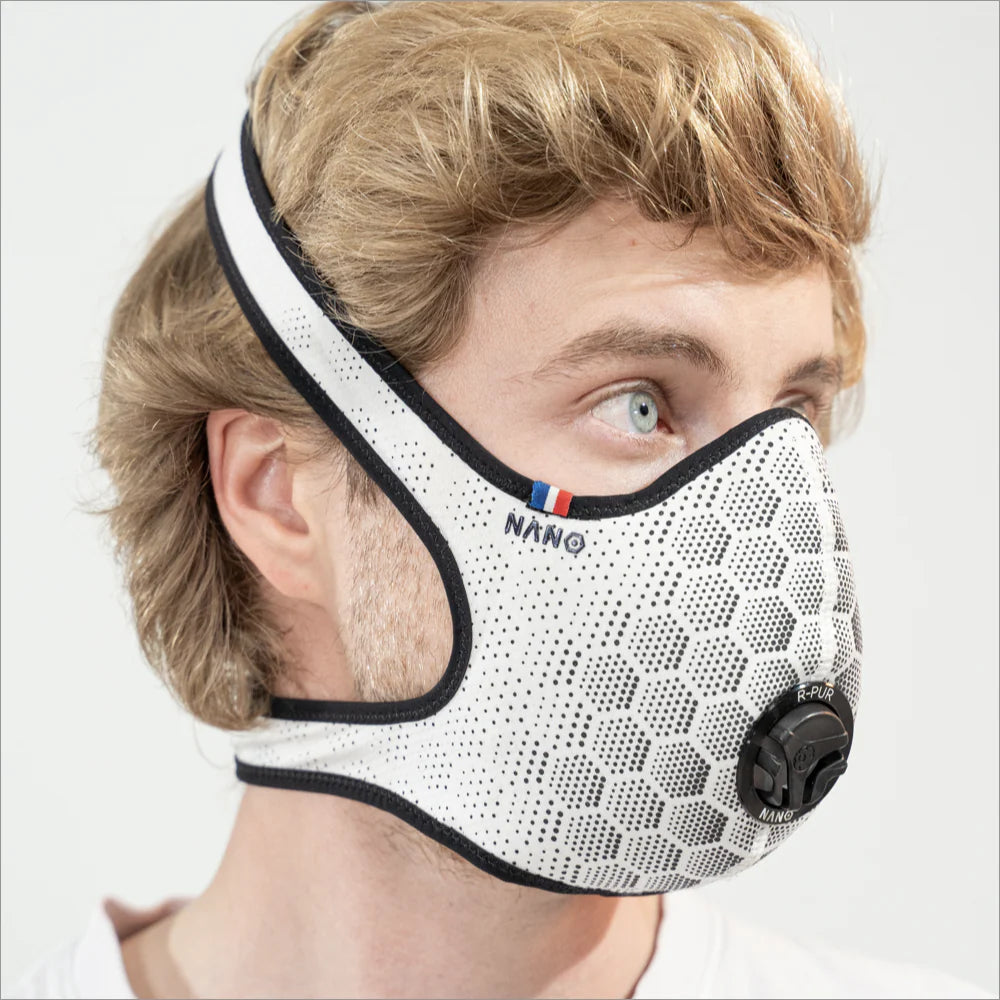
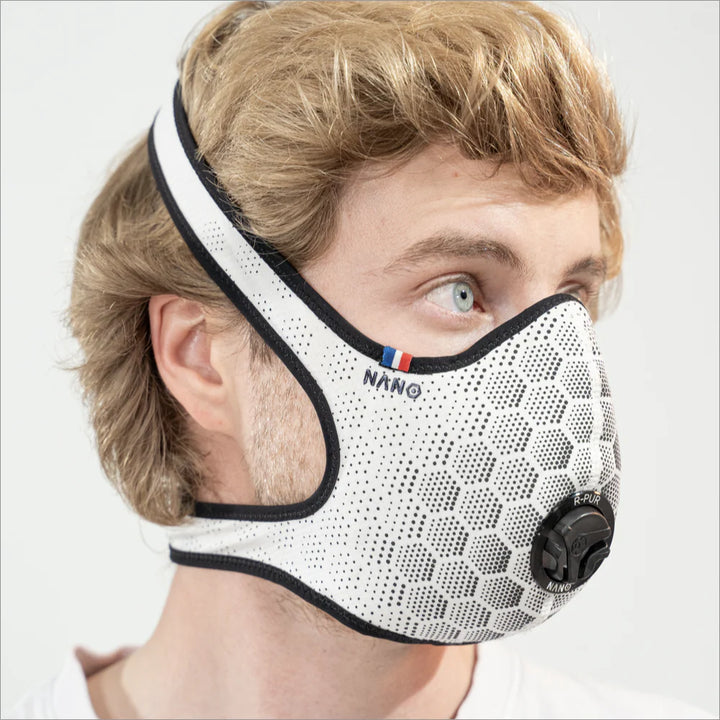
The R-PUR allergy mask has established itself on the market as a go-to solution for anyone looking for optimal protection. Thanks to its advanced filtration technology made up of multiple layers, it effectively blocks fine particles, pollen, dust, and other common allergens. Its ergonomic design adapts to every face shape, ensuring a perfect fit and an excellent hold, even during extended wear.
The R-PUR mask also stands out for its high-performance removable filter, which is easy to replace. It relies on hypoallergenic materials that are gentle on the skin and offers a patented ventilation system that makes breathing easier, even during exercise or in particle-heavy environments. By choosing this type of mask, you get protection that is reliable, durable, and in line with current respiratory health requirements.
Discover the R-PUR allergy mask for optimal protection.

The impact of an allergy mask on daily life for sensitive people
The arrival of masks made specifically for respiratory allergies has truly been a game changer for many people with allergic asthma or various hypersensitivities. Being able to put an effective barrier in place eases the worry about going out and restores a sense of freedom, even during periods of heavy pollen.
By making this accessory part of their daily routine, many people rediscover the pleasure of outdoor activities or avoid the discomforts linked to pollution and dust. School-age children and adults prone to chronic discomfort alike enjoy a better quality of life and simpler management of their symptoms.
This article is general information, not medical advice. If you have asthma, severe allergies or a respiratory condition, talk to your doctor.